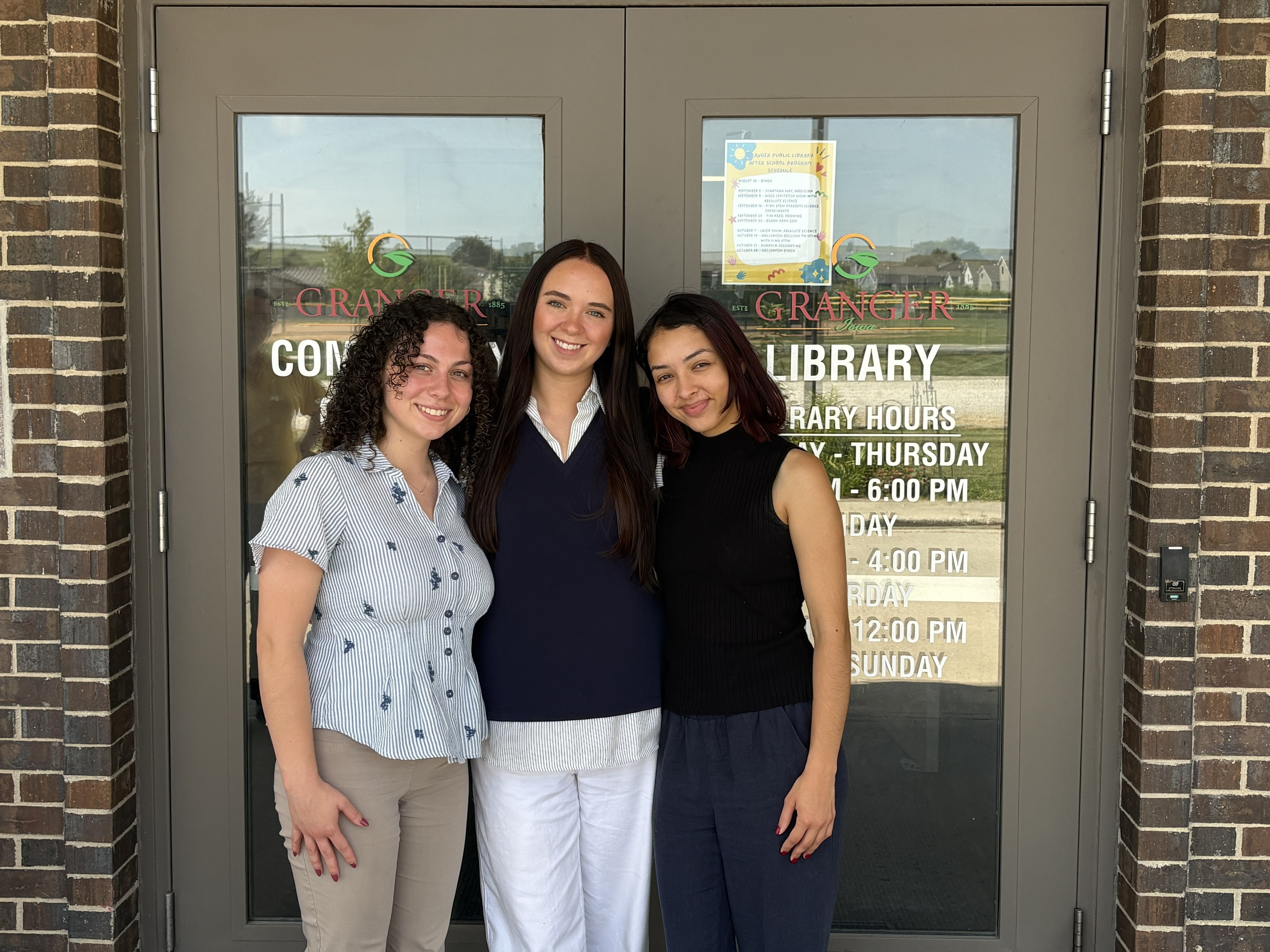
Granger – Age-friendly Community Initiative
Master of Public Affairs graduate students in the School of Planning & Public Affairs will design an age-friendly community initiative for the Granger, Iowa community.
Communities across the state and country, especially in rural places, are experiencing rapid demographic shifts. Aging will be an increasingly important issue in Iowa, particularly over the next couple of decades as the baby boomer generation enters late stages of life.
The World Health Organization (WHO) has brought attention to benefits of age-friendly communities, and in the United States, AARP offers tools and recognition for communities to implement age-friendly policies. The staff at AARP Iowa will be a key resource for this project. AARP believes that “well-designed, age-friendly communities foster economic growth and make for happier, healthier residents of all ages.”
An age-friendly community initiative is a coordinated effort to make a community a great place to live for people of all ages, especially as they grow older. Rather than focusing only on senior services, age-friendly initiatives designed to support older adults also benefit children, families, people with disabilities, and the broader population.
As Granger continues to grow, the City is committed to ensuring residents of all ages can thrive by planning for the needs of its current and future older adult population. This project will help the City better understand demographic trends, identify service gaps, and develop strategies that support healthy aging, accessibility, and community inclusion.
The project team will utilize AARP’s age-friendly framework to assess current conditions and make recommendations for Granger to become more age-friendly. The study will consider the “8 domains of livability” for age-friendly communities and will develop an action and evaluation plan that helps Granger earn the age-friendly community designation.
Granger’s application for the IISC partnership mentions several age-related focus areas that may be explored in this study:
- Analyze current and projected senior population trends in Granger.
- Assess existing senior housing options and gaps in services.
- Identify future housing needs, including aging-in-place, assisted living, and accessible housing.
- Conduct a comprehensive review of current senior programs and participation levels.
- Identify barriers related to accessibility, facilities, transportation, and walkability.
- Recommend improvements, partnerships, and facility needs to expand programming.
- Support social connection, health, and quality of life for Granger’s aging population.
- Use data to identify and map homebound or at-risk senior residents.
- Develop a structured wellness check and referral framework in coordination with local partners.
- Identify service gaps related to healthcare access, transportation, and social isolation.
- Provide data-driven recommendations to support aging-in-place and preventive care.
This project provides students with practical experience in public administration, demographic analysis, community engagement, policy evaluation, strategic planning, and age-friendly community development.